Crawling & indexation
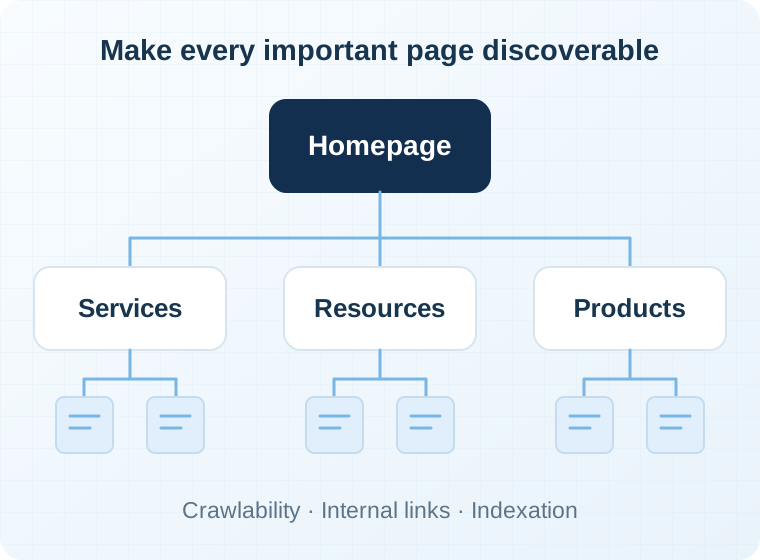
Understand what search engines can reach, which pages are indexed and how canonicals, robots rules and sitemaps interact.
Technical SEO
Understand the technical issues holding search back. Give your development and product teams a clear path from diagnosis to implementation.
Where I focus
The right scope depends on the site, the symptoms and what is about to change. These are the core areas I investigate.
Understand what search engines can reach, which pages are indexed and how canonicals, robots rules and sitemaps interact.
Review JavaScript dependencies, rendered content and performance issues that affect important page templates.
Assess internal linking, structured data and migration risks so the technical foundations support the content.
Inside the work
A useful investigation follows the affected pages through discovery, crawling, rendering and indexing. It also asks whether the same issue affects a whole template.
Compare representative URLs with the pages that are working. Review the relevant crawl, indexing and rendered-page evidence before choosing a fix.
Document the affected pattern, expected behavior and implementation owner. Check the dependencies with the people who manage the platform.
Recheck the changed URLs and representative templates after implementation. Record what passed, what still needs investigation and what requires time to observe.
Typical deliverables
An audit needs to explain the issue and the action. Recommendations connect the evidence to impact, ownership and a way to validate the fix.
Selected work · Healthcare
A search audit and recovery roadmap for a Japanese medical-device website, connecting technical health, content and market evidence.
Read the case studyA connected approach
Technical systems, content, markets and measurement affect one another. Where the evidence points to another area, the roadmap should connect them.
Explore all expertiseBefore we begin
The investigation and the implementation are connected. Agreeing the access and responsibilities makes the work more useful.
Search Console, an overview of the CMS and hosting setup, recent release or migration notes, and a list of important templates are useful starting points. Analytics, crawl exports or logs may be relevant to a specific question. We agree the access needed for the scope; credentials do not belong in the contact form.
No. Technical eligibility and indexing are different. Google states that meeting its minimum requirements does not guarantee indexing. The work identifies obstacles, checks implementation and observes what changes. Read Google’s technical requirements.
Blocking crawling is different from preventing indexing. Google may still know a blocked URL exists. For pages that should remain outside search, the appropriate approach depends on whether they must stay publicly accessible. We review the requirement before recommending a control. Google explains this distinction.
A useful next step
Share the website, what changed and where you are seeing problems.